

Recently I found myself in a heated argument with a friend over witchcraft in Ugandan sports. This was sparked by an interview I listened to on my one-hour drive from the college where I coach. I loved listening to the twists and turns in his knee journey, and most importantly, the story of how he finally went to a witch doctor. The traditional healer removed a coin and two coffee seeds from his knee. According to the narrator, Fred Okot, the healer would sip on some dirty brown water and then proceed to take a bite at his knee, where the coin and two coffee seeds came out of the knee.

Beyond his personal story, he spoke extensively about the other stories he witnessed surrounding witchcraft in sports, particularly the Uganda Premier League. If you are interested in watching the full video, here is the link.
Now what amazed me the most was the fact that he didn’t heal even after the witch doctor had performed his magic on him. He was fortunate to have an MRI, and he discovered that he had a torn meniscus. But this is where it gets more interesting. He had the option to have surgery, apparently carried out by an expat doctor brought in by the club, but he opted out. The reason: a friend told him about a pastor who performs miracles and the body heals. So, he narrated the story of how he carried his medical documents to the church, and the pastor prayed over his knee. From the sound of it, this pastor has healed so many athletes in Uganda through prayer. I didn’t know whether to laugh or listen and go on with my lonely drive on a cold evening in the countryside of North Dakota.
As I listened to this story, I was thinking about my own upcoming meniscus surgery that I had postponed for nearly a year. I wondered whether I was becoming a “spoiled brat” by this American system where I have the luxury to get medical attention from some of the best doctors, but of course at a cost. I believe listening to the interview built my confidence in finally getting through the surgery.
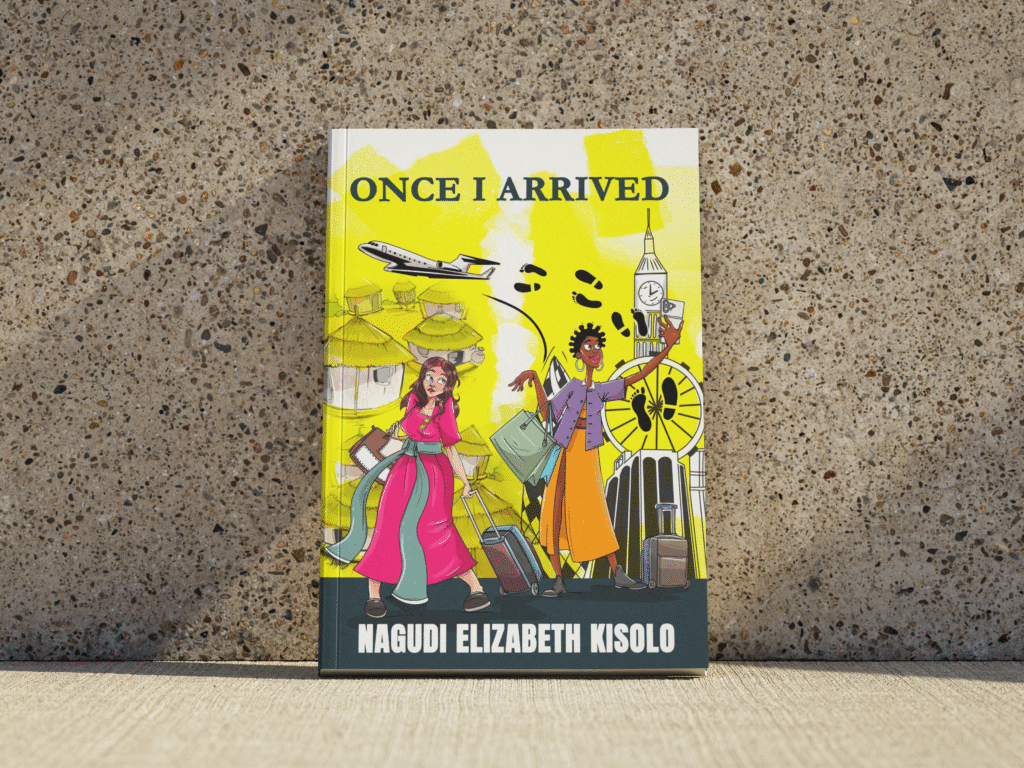
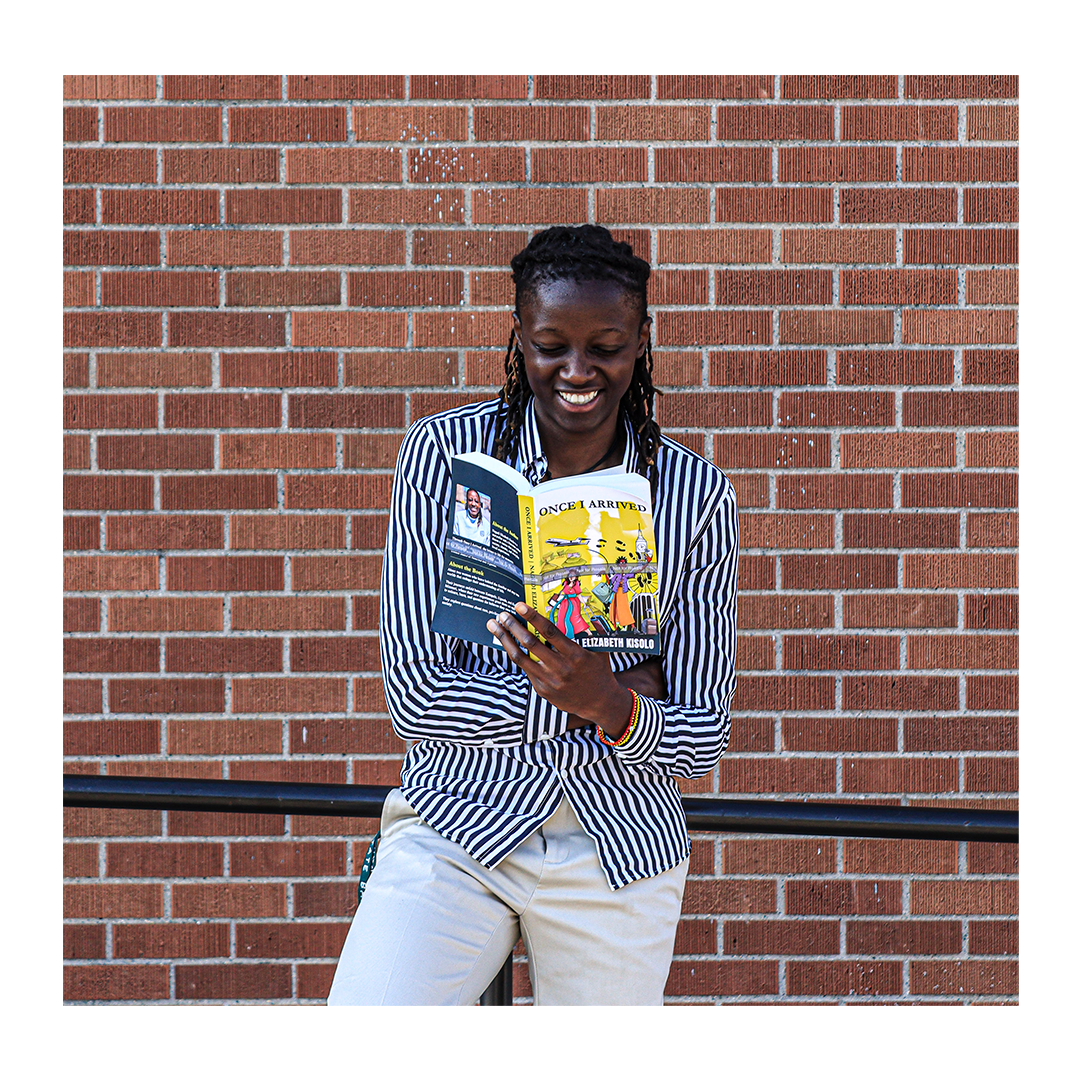
Hey, while you are here, the writer of this blog is also a published author. If you are loving what you are reading, you will then love reading Once I Arrived, a book that she recently released. Contact Nabusiita Ruth Kisolo

So as I argued with my friend, who actually is a top soccer player in the country, over witchcraft in Ugandan sports, I got wind of the news that a close friend had recently had an ACL surgery.
Now, call me a bad friend, but I texted her laughing emojis. Background story to this. My friend, who also happens to be one of the top basketball players in the country, wasn’t far from going mad from a bad knee. The first time she reached out to me and described what she was going through, I immediately told her, “That’s an ACL. Stop playing as soon as possible.”
She insisted that this wasn’t an ACL. I went ahead and gave her a list of tests/or physical exercises she could do, and with each I tasked her to tell me what she felt as she did it. She barely did a quarter of the exercises due to the excruciating pain.
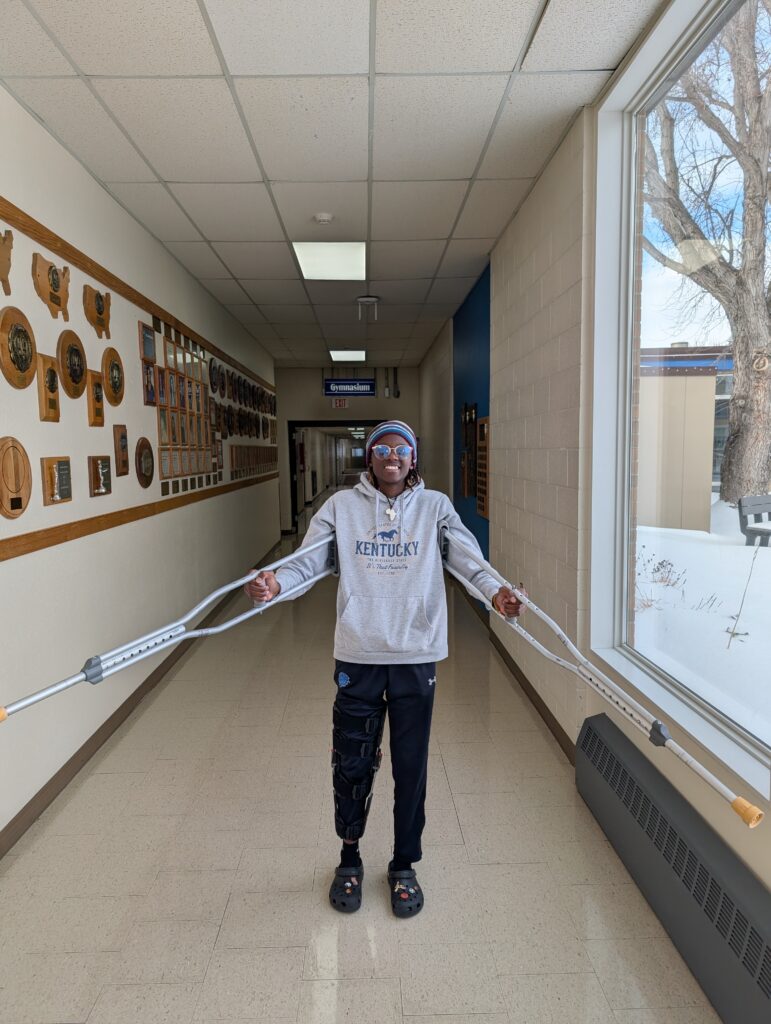
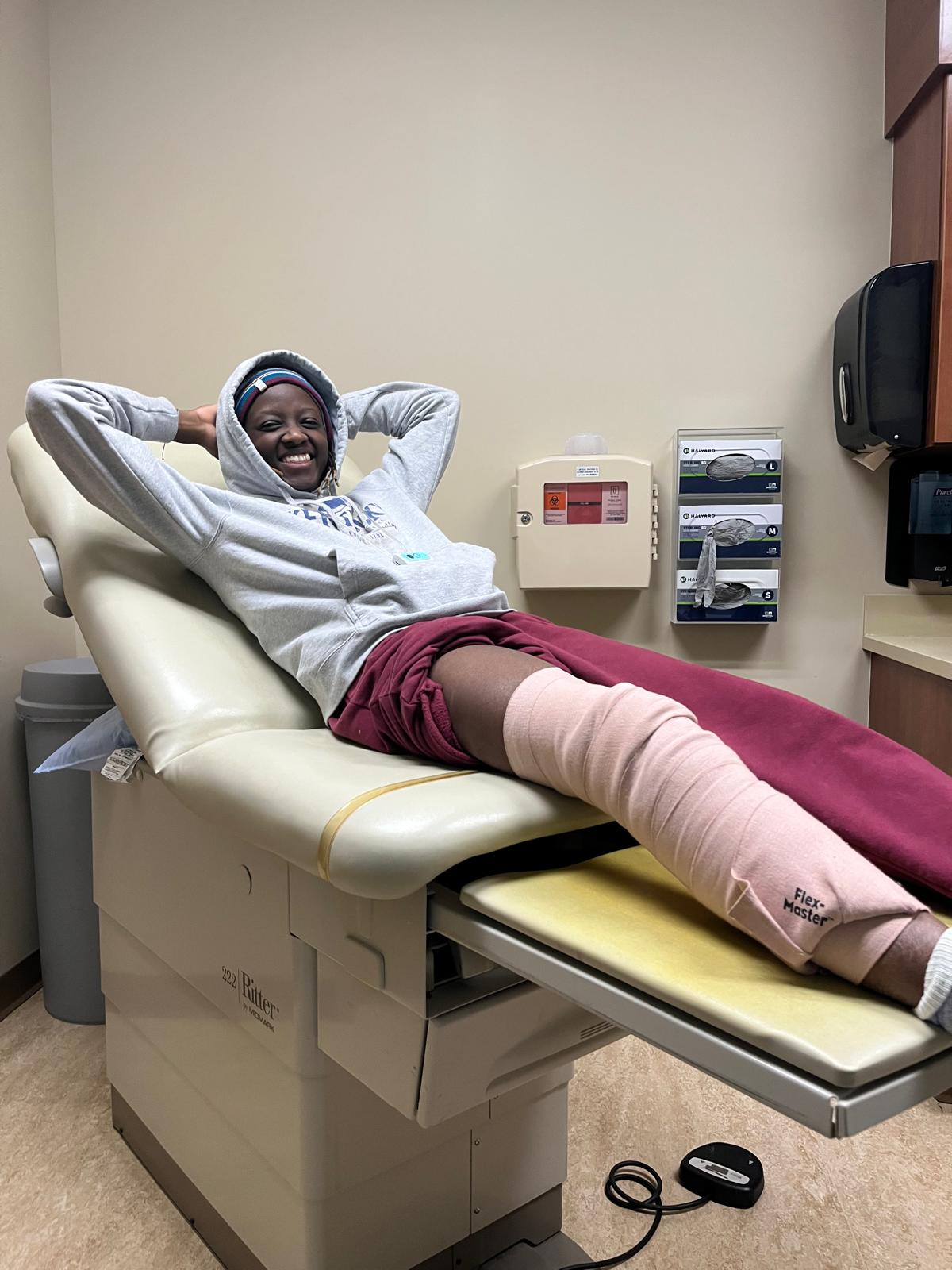
I bet you are wondering what makes me confident in knees, but if it helps you, I have had four knee surgeries: two ACLs, one meniscus, and one manipulation of one of the ACL surgeries. An ACL surgery drains every emotion out of you, as you are confined to immobility for a while. I used this time to learn more about knees. I got to interact with different orthopedic doctors, physical therapists, and medical trainers due to these surgeries. Plus the countless YouTube videos I have watched about knees. I have become like those “engineers” who are not really certified, but because they have been at building sites for a long period of time, that they now understand the mathematics behind what they do.
Anyway, back to my friend. Once she failed to do the exercises, I told her once again, “Please go for an ACL surgery.” Instead, it turned into a rant of “maybe someone is doing something to me” or “I need to go to see Pastor XYZ.” At the end of the day, as a friend, you can only advise but can’t force the advice to be used.
A year, plus a few months later, she finally had the surgery. I was so happy for her. I was glad at least she is one of those people who have come out of the box of “maybe someone is doing ABCD to me,” or “Church X’s pastor can perform miracles.”
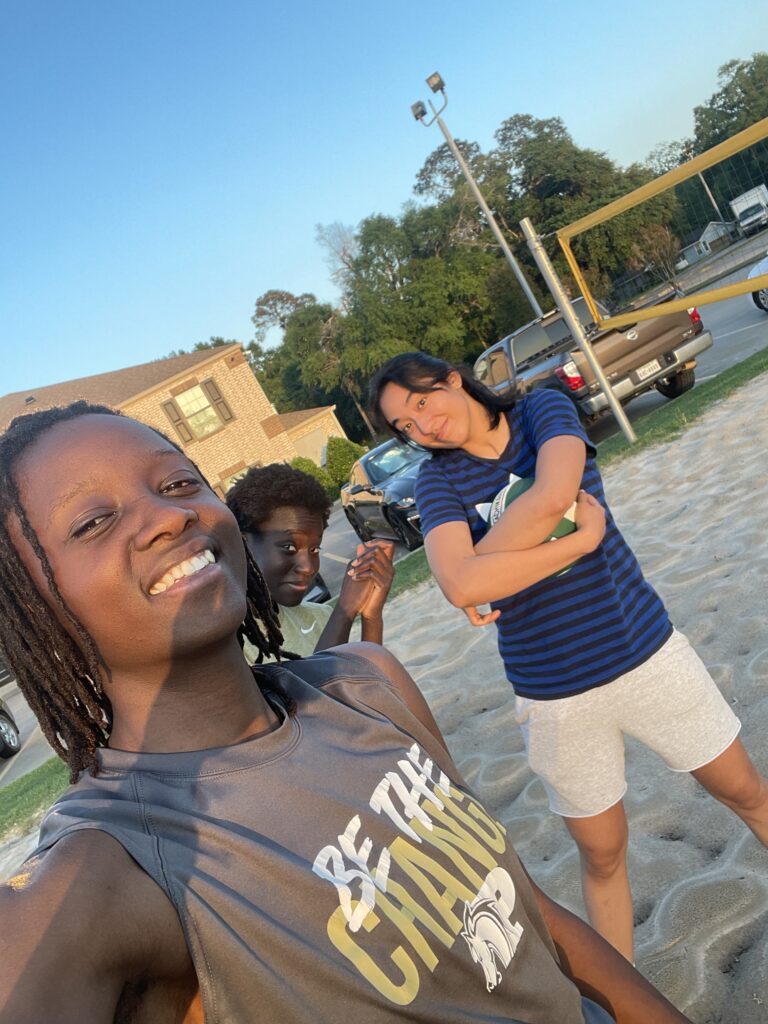
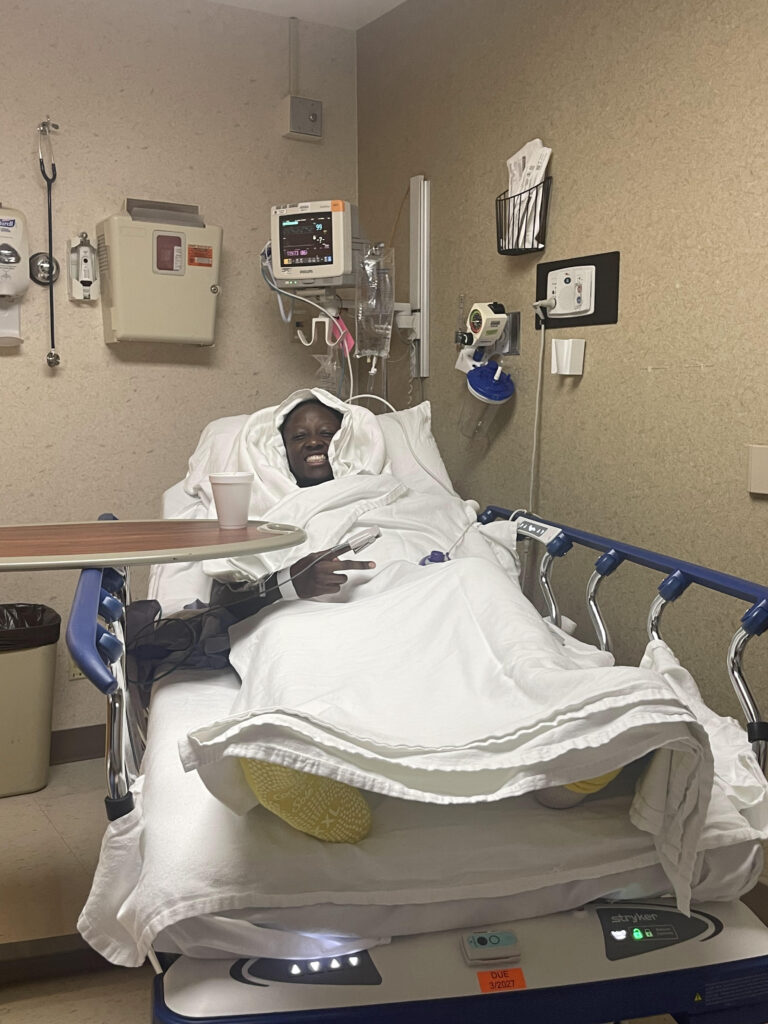
I write this as I lay in my bed, on day one post my meniscus surgery. But I want to assure you that deciding to have this surgery has probably been one of my hardest decisions to make in life.
Now, let’s go back to the Ugandan soccer player who “miraculously healed,” and I’ll also explain to you why this was a hard decision as I tell you about the meniscus.
Have you ever wondered why when you jump, you don’t wince, or why when you plant your foot heavily on the ground you don’t squirm like a pig? There is that ka tissue that is between your femur (thigh bone) and tibia (leg bone) which absorbs all that pressure you put on your legs and distributes it evenly. That tissue has one of the worst blood supplies in the body (not as bad as the ACL), but this is one of the reasons it doesn’t just heal on its own.
Unlike an ACL tear, which you can tell immediately when it happens, especially due to the pop sound and unstable leg, the meniscus can be torn for even decades, and you will never realize it. You will get some pain at some point, but you will be tempted to think bandoga (I was bewitched) or this is just a strain in the knee. A meniscus can be torn, and you can still go about your daily life. In fact, before my surgery, I was playing soccer with a group of men and basketball against men (I am mentioning men to show you how much impact or pressure I was subjecting the knee to). And trust me, there was no pain. But for the sake of longevity of my knee in the long run, I knew that I needed to have this surgery.
Now, do all meniscus tears need surgery? No. In fact, most meniscus tears can be maintained (they won’t heal) but can be managed. It’s like living with a broken front tooth. You know your smile sucks, but that doesn’t stop you from smiling. Doing surgery on a meniscus, especially as a young athlete, is to ensure longevity of the knees and prevent early arthritis (a possibility).
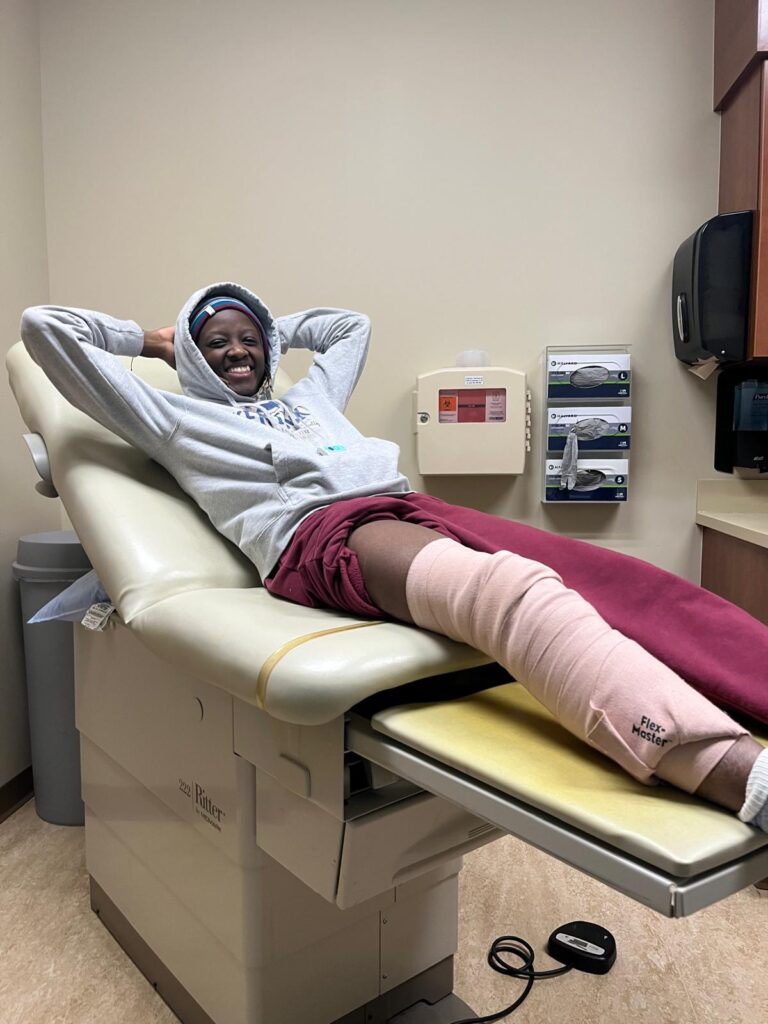
I bet it will be disheartening to the soccer player if he reads this article and learns that there was no miracle or coin pulled from his leg. A meniscus, with time, usually becomes a lingering pain that may be triggered time and again but won’t stop you from doing your sport. But that also depends on its severity. I won’t bore you with much more science about the knee.
I know someone is probably already arguing that I am undermining other athletes’ experiences, especially about witchcraft. Trust me, I understand African juju is alive and thriving. Witchcraft has always been part of our society, and I totally agree that people manipulate it for selfish gains. One statement that my soccer friend made that cracked me up, but I agreed with, “Masaza is witchcraft cup.” Masaza Cup is a soccer tournament held by the Buganda Kingdom. I bet that’s an open secret among athletes, coaches, club owners, and fans. Watching athletes enter a stadium through a narrow opening instead of using the gate, and others carrying chalk dust like powders (not the cool LeBron dust), gets your eyes turning.
Anyway, as I conclude, I asked my soccer friend, “If witchcraft has been tested and approved to be working in our soccer leagues (sports industry in general), why hasn’t Uganda been sooooooo successful at the international level?” Like, can’t we bewitch every opponent we face and end up carrying the World Cup? Another question was, “Why do we say it’s juju when an athlete or team fails, but when they are successful, we don’t say it’s juju?” I gave an example of one of Uganda’s darlings in sports who I will respect to keep away from this.
I bet before we cry foul in our sports industry, we have to accept that Sports Medicine exists for a reason and we can’t shun it. And as for my title, one time while in Uganda, I met an old friend, and when he heard of my surgeries, he suggested, “There are herbs you can get and rub on those knees to take away that bad luck. People are doing things behind your back.” Eh, who is bewitching me?
End of story!
Hey, while you are here, the writer of this blog is also a published author. If you are loving what you are reading, you will then love reading Once I Arrived, a book that she recently released. Contact Nabusiita Ruth Kisolo