When I first read about the Late Sydney’s death cause as posted by one of the sports media houses in Uganda on Twitter, I flinched and believed that they were looking for clickbait. How could a national team player die due to mob justice?
More and more people shared different stories in line with his death. Most of us, I bet, didn’t want to hear the mob justice story and resorted to the attack by a gang. When I got up in the morning, a friend had shared a video of the late Sydney getting clobbered badly by pedestrians and other boda guys. The people recording the video (whose voices sounded feminine) were encouraging the beating to go on. I wasn’t quick to judge them because it’s a public secret that Uganda has delayed justice, and that public justice is often the quickest and easiest way to receive it in the country.
The more I went down the rabbit hole, the more I felt paranoid. It hasn’t been a month since the basketball fraternity mourned the death of the Late Maxine, who passed on from a knee surgery gone wrong. Then the football fraternity was also mourning the Late Cissy, who had succumbed to breast cancer. And now it was Sydney we had to accept that he was gone. All these players were national team players who had represented the country at the top level.
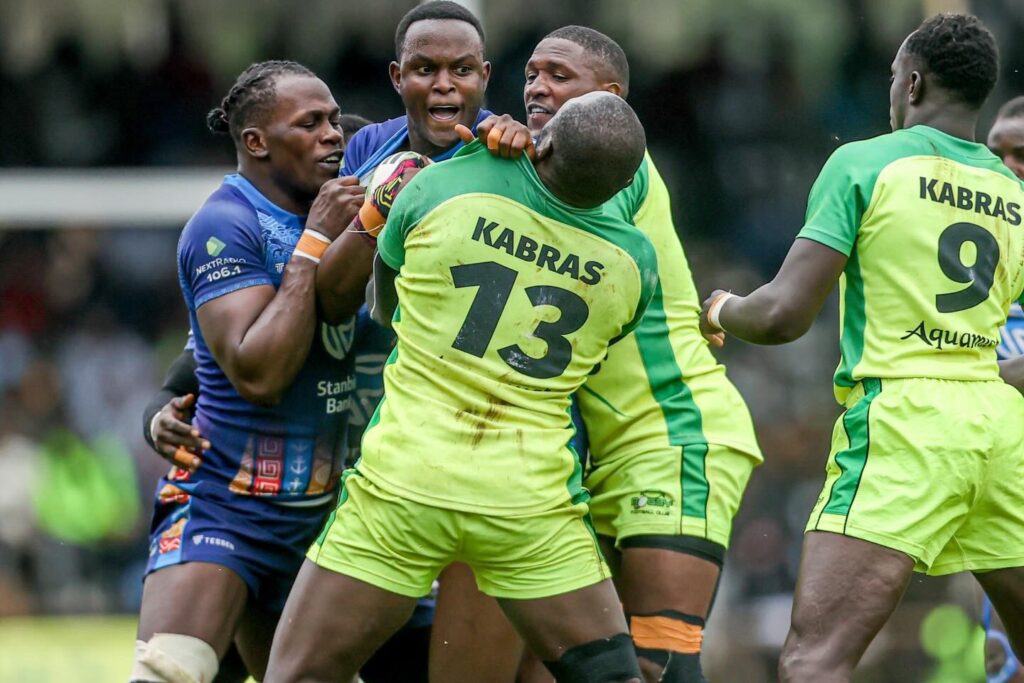
I knew Sydney from the All Africa University games when we camped in Mary Stuart (women) and Lumumba (men) for the rugby games in 2021. I never got to interact with him, but as athletes under the same mission (representing Makerere University), we would cheer each other on. Then next was his national team presence, and of course, playing for a top club in the country.
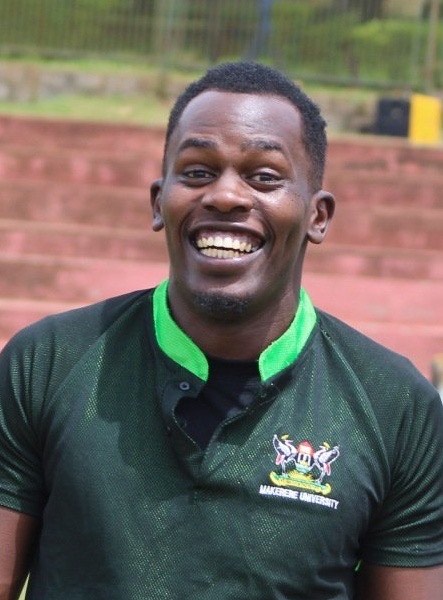
And yes, his departure was beyond sudden and interesting. It wasn’t even known to his team or the federation, regardless of having passed on in the afternoon when the incident had occurred. Once the mob justice was served, the Uganda police picked him up and dropped him at Mulago hospital, where he died on the same day. Yet we got to know of his death on Saturday morning.
The failure of nearly most systems in Uganda is oftentimes nauseating to the core. Let me tell you a story. The year was 2022 when I got to fully experience what happens when a police car takes you to Mulago. It was a friend’s birthday in late June, and we celebrated it at Max’s Lounge in Kyaliwajjala. This was before it closed down. There used to be a live band on Tuesday evenings. So after my practice session with KCCA in Nakasero, I rushed home, cleaned, and went straight to Max’s Lounge. We partied, and at around midnight, my housemate and I decided to head back home.
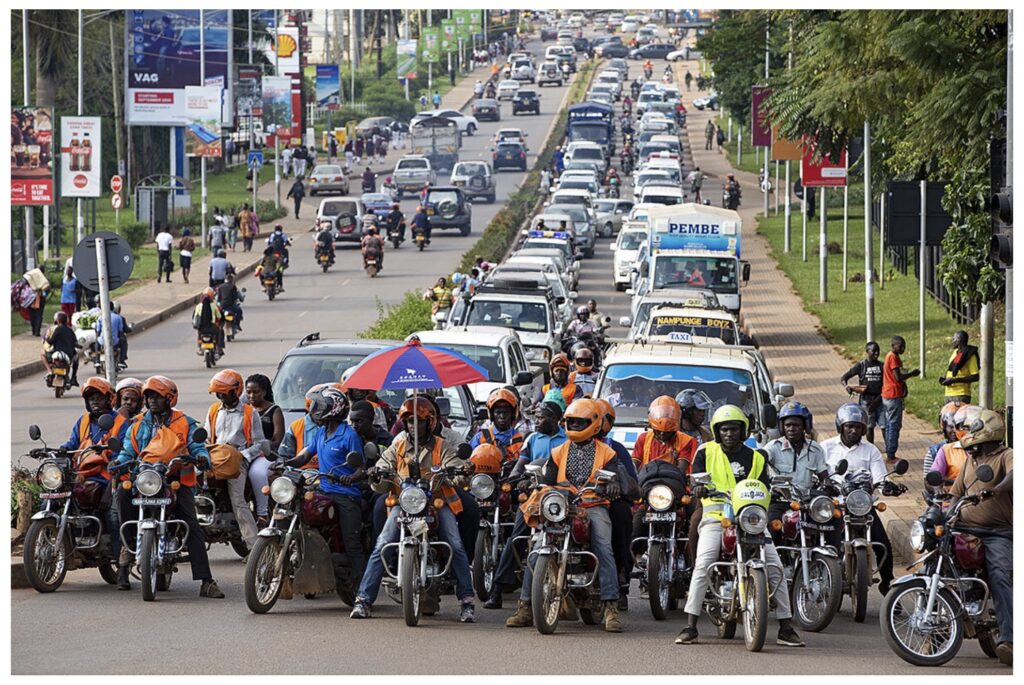
At around 2:00 am, a call came in from an unknown person informing us that the birthday boy, his brother, and the boda guy had been rushed to Mulago Hospital. One of the brothers wasn’t badly injured, so he had been able to share a contact number to call with the unknown person who called us. In no time, we were on a boda to Mulago hospital.
Nobody prepares you for what meets you at that emergency unit in Mulago. Once we arrived, we found our three people on the floor. They were not the only ones on the floor; the whole floor was littered with people of every bodily emergency. One person whose head was rotting lay there groaning in pain. Once I saw the thick, dark blood around the bandage on his head, I didn’t have the courage to look at the other patients on the floor. The beds were all filled up, and under the beds, more patients were tucked. I wanted to cry so bad, but I had to be strong in the moment. I took a quick look away and walked out to breathe because inside that emergency room, it smelled like death. As I walked out, I passed by a signpost, “No taking pictures in this facility.”
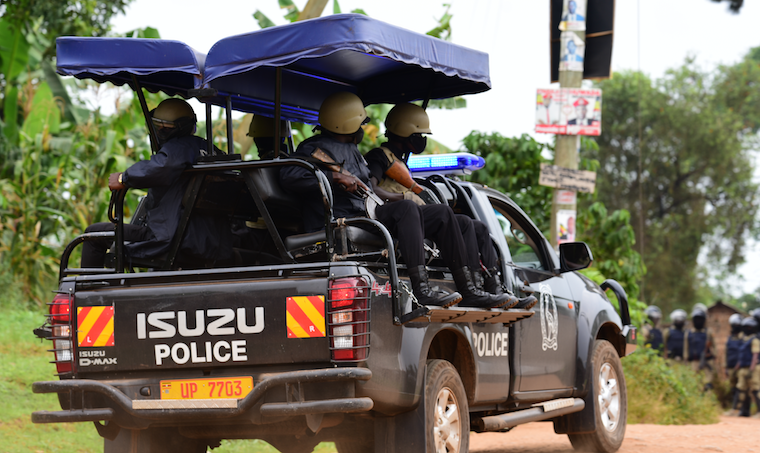
I believe I shed a tear as I looked at the other people seated out on the balcony. Once in a while, medical personnel or security would come and chase us away from the balcony. I realized I was being selfish as I had left my housemate standing above the bodies of her brothers. As I prepared to get back into the room, a police truck arrived. Two young men with their legs hanging into their thighs by a thread were carried into the facility. They were bleeding nonstop. Both were dumped beside my two friends’ bodies. Soon their bodies were surrounded by a pool of their own blood. We kept shifting our friends to ensure the blood didn’t mix with theirs.
What hurt the most was that most interns on duty couldn’t help us out either. The best they would do was walk to the victims and ask, “Oh, what happened?” And once they got the response, they would reply, “Oh, Bambi.” And move on to the next. Just like when the police told the interns, “The two boys had been collecting scrap and jumped into a Chinese man’s compound. He caught them and butchered them at their legs.”
Two hours had gone by, and still there was no sign of help. At around 6:00 am, a White Doctor (or medical practitioner who I assumed was a missionary) started moving around the ward and helping out. Some Ugandan medical personnel were also trickling in, but first they were like the interns, asking what happened before they could move on to the next person. A cleaner came with a bucket containing as much water as a drop in the ocean and a rug that looked like it had been in use since Idi Amin had been the president of the country. He carefully cleaned up the blood on the floor, but it only felt like he was doing some paintwork.
Finally, we managed to make a few phone calls, and we were given a bed space. Below us, on the floor, there was a mother on a drip. I honestly didn’t want to care at this moment. The treatment process started, but it was all a push and pull. To get a scan, we had to let go of kintu kidogo (bribe). The friend who wasn’t badly injured didn’t need one, so we wheeled the other to the side of New Mulago. As we walked through the nice buildings with empty beds we could only look at through the windows, I felt so much rage. I was at a saturation point and only cared about getting my friend’s scan. I didn’t want to know why, as Ugandans, we were squashed in one room smelling like death, yet a whole building was glittering and always posted in the news. I didn’t want to know why the signpost at the scanning area said, “It was a free service,” but we had to pay before we could get to the scan.
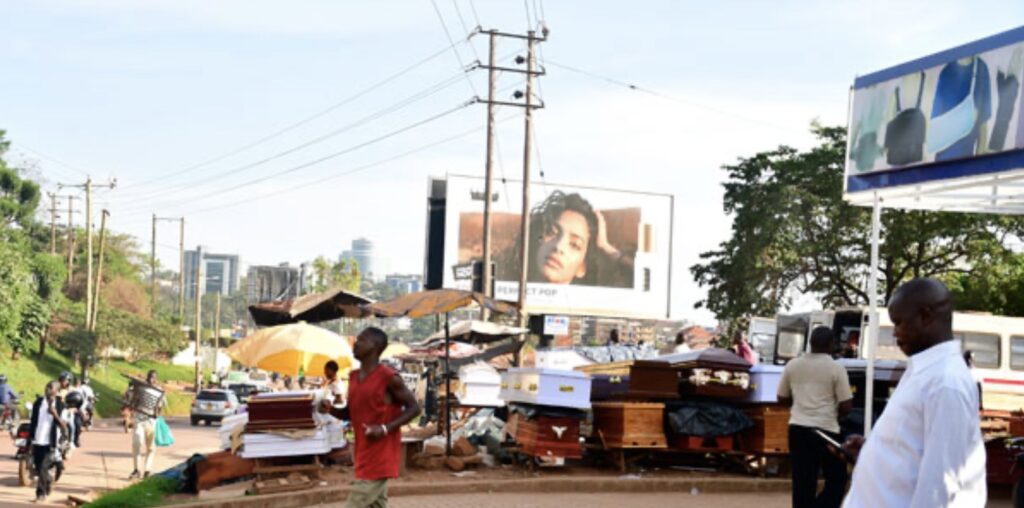
Once we returned to the “death ward,” we left our friends to get a nap. Back at the balcony, the police truck arrived once again. This time it was empty. There was a door below the emergency ward. Whatever you are thinking is right. It opened, and the smell of death intensified. A body wrapped in a white sheet was carried out and thrown into the boot of the truck. At this point, I just walked away and went to stand by the wilting flower beds. I stared down the hill road that leads to the emergency ward and a line of coffins, stretched out as if in a beauty pageant competing to be selected.
In that time, I had gotten to interact with a few people at the hospital. The saddest part was learning that if nobody claimed their patient off the floor once the police dropped them off, the chances of getting attended to were minimal. This explained the rotting man, and also made me weep for the two young boys. I don’t know if they made it to the afternoon.
So how does it relate to Sydney?
When you see a certain group of people crying, “gavumenti etuyambe” (the government should help us), we often care less. After all, we don’t belong to that group. But once we become victims of that very insufferable experience, we are dumbfounded by our ignorance. I wouldn’t be shocked if Sydney could have been helped and saved, but due to this system, he wasn’t.
When I started writing this article, that wasn’t the intended direction, but oh well, I found myself drawn back to my own experience at Mulago.
Playing the devil’s advocate, if truly Sydney was trying to steal to make ends meet, then I will continue to preach the gospel of paying athletes what they deserve. You see some of the athletes that entertain us when we go to Lugogo, Abja Park, Kyadi, MTN Omondi grounds, (name any field), sports is all they know. It’s a means of their living. Sydney represented the National Team at top tournaments and played for a top club, but I doubt he had anything to show for his years of commitment to the field. Giving a player transport of UGX 10,000 ($ 3) a day and a delayed monthly payment of less than UGX 350,000 ($100) in an economy whose cost of living increases as each day passes is nothing less than slavery. And yes, if I am wrong, I stand to be corrected, but what do most athletes in Uganda benefit from the game other than mentioning their names at public events, getting handshakes with the big dogs who make all the decisions, and wearing the national jersey with pride (for those who get to wear one). It sickens me to the core.
One time, a friend in London shared a picture while standing with one of the greatest players on the floor in the Uganda National Basketball League. I was excited because I loved watching this guy play. I reached out to find out if he is mixing those leagues badly in London, and to my surprise, “Ah. He is a bouncer here.” Somehow, I felt sad, but again, after a second thought, I felt happy for him. He had walked away silently from a game he loved to make a future for himself. And I best believe as a bouncer in London, his biweekly salary was what he was earning for nearly half a year in Uganda playing for a top club.
I know there are so many excuses, “manya federations are not well funded,” but this isn’t something we should be even uttering in this decade, where there are so many money streams for sports entities. I have written several articles about different ways players can hold teams and federations accountable for their worth, and how federations can build money streams. Then there are the sponsorship deals announced by Ugandan federations at the start of each season. Where does that money go? Does it ever trickle into the pockets of athletes to improve their welfare? Do sponsors ever hold these federations or teams accountable for the funds they received?
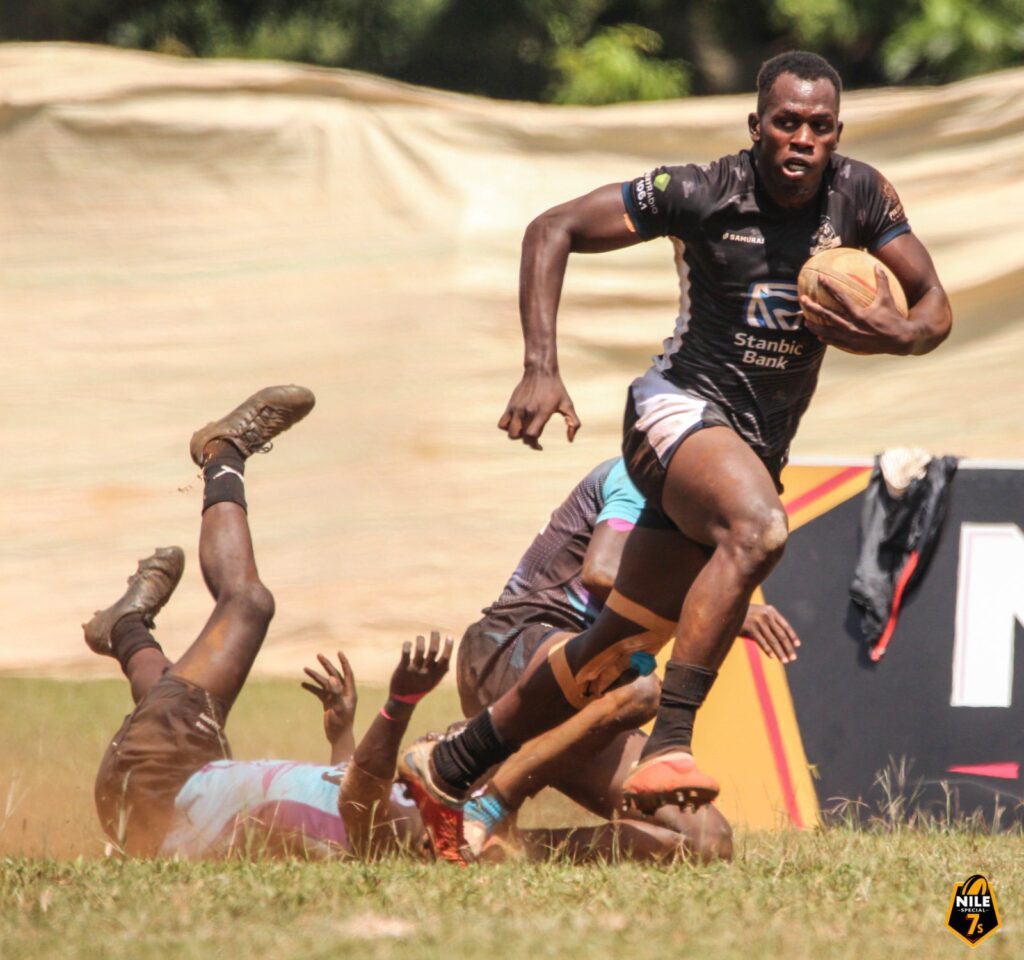
I was happy to see that the National Basketball Players Association (NBPA) in Uganda is getting momentum. However, it’s disturbing to see that the people they should be demanding accountability from are directly involved in the association’s activities. The NBPA and the Federation, or the higher leadership stakeholders, should be totally independent of each other. The NBPA should represent solely the interests of the players and not the coach, manager, team, BUT the player!
It’s in such spaces that players should be setting themselves up for success off and on the field without having the federations or team owners indulge in their business. Definitely, they can cooperate on a number of things, but their operations shouldn’t be tied together at any point.
One time, an athlete in Uganda told me, “Liz, have you thought of creating a space that empowers athletes beyond just the field?” And yes, this often plays on my mind. Where are the initiatives to support athletes beyond wearing jerseys? Do we have spaces that empower athletes with financial knowledge? With the little they are earning, how are they maximizing it for later when their bodies can no longer support them? More so, career guidance. Honestly, regardless of where you are, playing sports can never be your source of income till death do you part (if good heavens choose to let you live up to the 80s and 90s). It baffles my mind that an athlete like the Late Sydney has still been at Makerere University pursuing his undergrad. Once again, this is where, if a player or players knew their bargaining power, they would play a card to get their processes expedited. For example, if it’s tuition that had held him this long at Makerere University, he could have sat with his club and pushed for this contract to tend to his tuition needs.
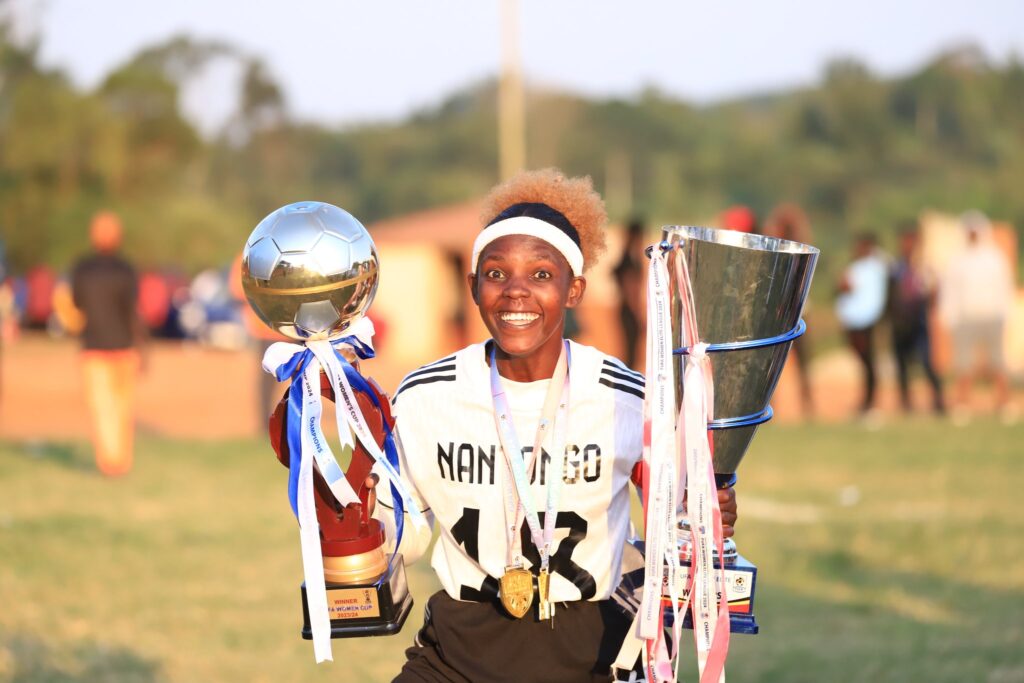
Anyway, I bet I have kept you here too long. But a reminder to you and me, “Unless we develop a backbone for each other as Ugandans, we shall continue to suffer.” Medical interns are crying over the decision of their very own canceling their allowances, and we are silently watching them. But guess who has to go to the emergency ward tomorrow when they are involved in an accident? Players like Magomu are speaking up and running up and down in court seeking to improve the welfare of athletes, and we are not even liking his posts on X updating us about how far he has gone with his case in court. But guess who will continue to be subjected to playing because we love the game, us!
Today it’s me, tomorrow it’s you. Rest in Peace Sydney.
WHILE YOU ARE HERE
Want to read more stories like this? Kindly subscribe to my blog. Big Foot Athletes is diversifying its content beyond the sports field to share lived experiences. Sports and charity will remain central to the blog’s content, but awareness and lifestyle have joined the conversation.
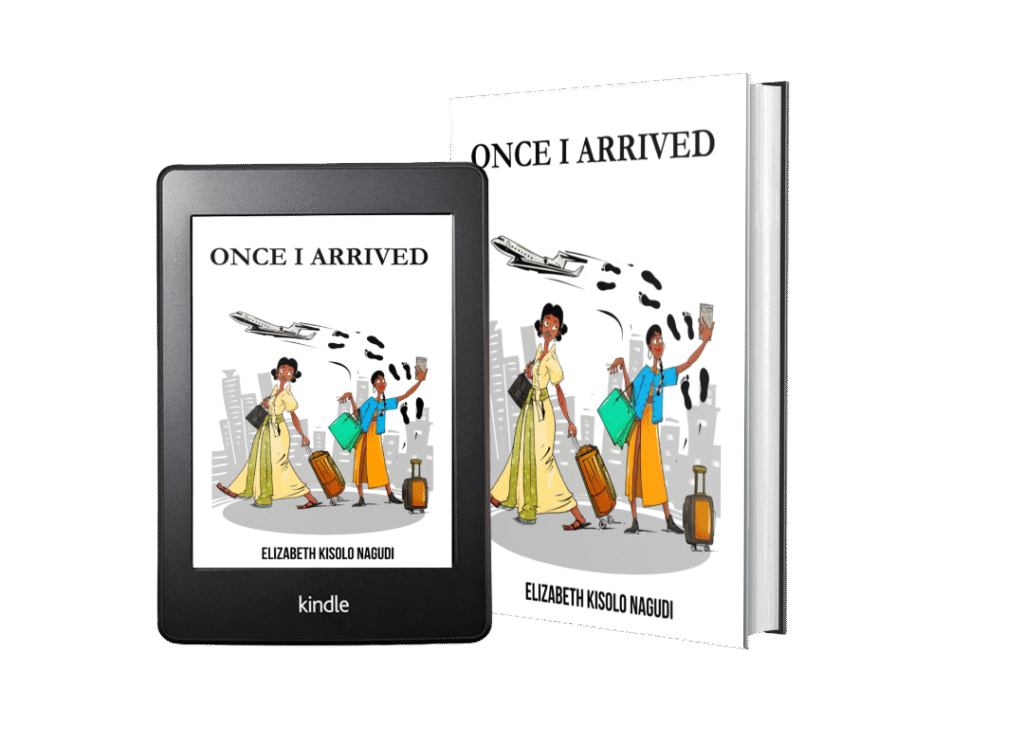
My book, Once I Arrived, will be out this year. It’s time you got lost in a book that tells you about the way of life in Uganda and in the USA through stories. I am excited about getting this book to your shelf.