

A friend recently traveled to Russia, particularly the city of Ekaterinburg, for the International Festival of Youth (IFY). I especially like it when this friend travels because he makes his status his diary, and you literally feel like you are touring wherever he goes. Among his many posts, one showed an open park setup in an old industrial area. He captioned it, “Why don’t we have such spaces in Uganda?”
Now let me tell you something funny. When I came to the US, I used to wonder why open spaces for recreation were called parks. This is because I thought that for something to be a park, it must have some wild animals. After all, I grew up only knowing parks like Queen Elizabeth National Park, Lake Mburo Park, Mgahinga Park, name it all. Other than these wild animal parks, the other parks were bus parks or taxi parks. So, moving to the US and realizing the word park meant something different was maybe a “cultural shock,” if it qualifies to be categorized as that.
So why am I talking about parks? My friend who traveled to Russia, who also happens to have had his Master’s in Sports Management from Russia, had a big ASK on his status. “Why can’t we have such spaces in Uganda? Like, what is stopping us from having spaces where people just go and laze around, walk, jog, play board games, swing, among other things?”
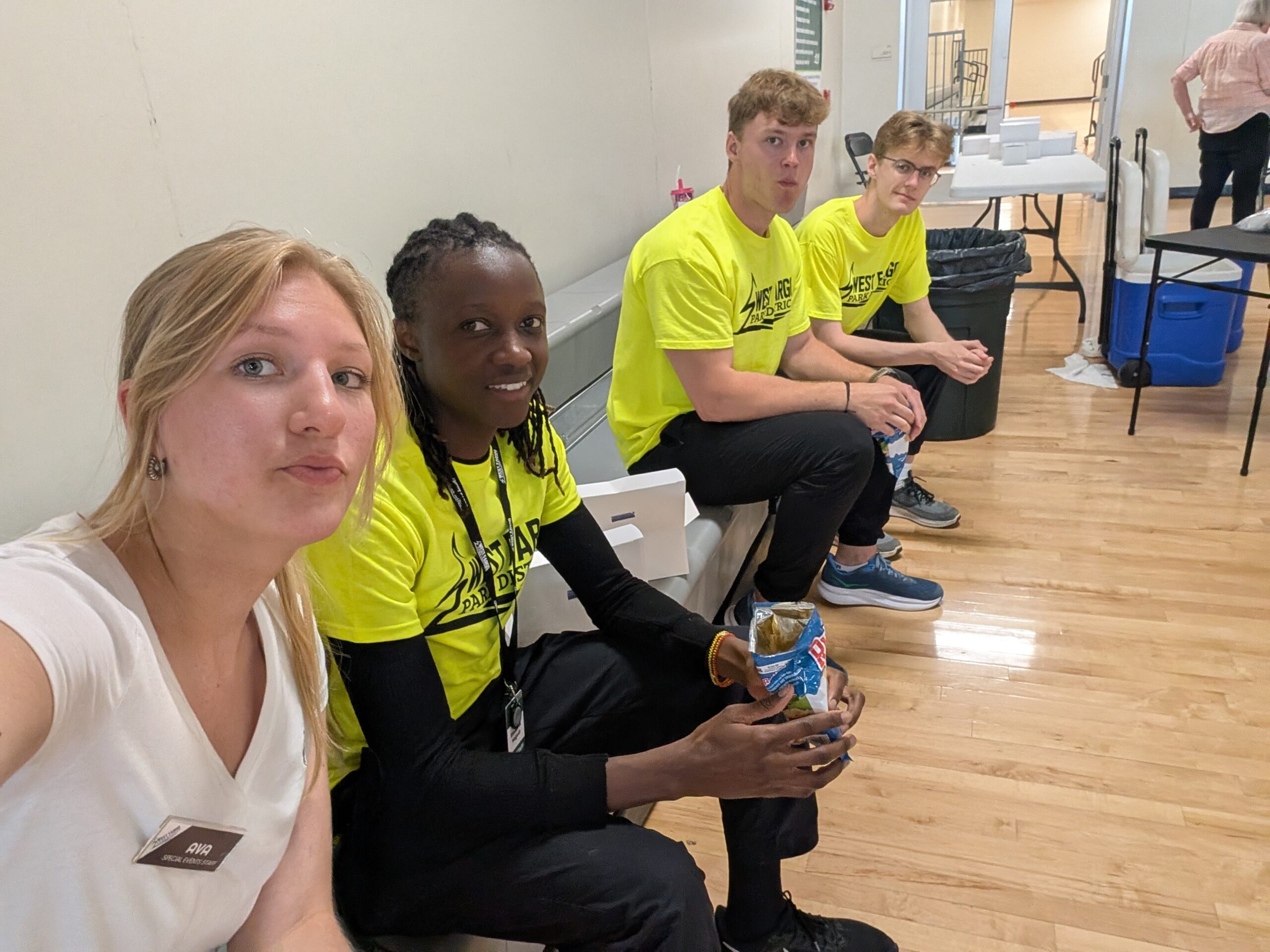
I had one of the most interesting twists in my life this summer. Never had I ever thought about working in the Park and Recreation Department. Interestingly, this is a major field in sports management in the US. But just like most undergraduate students, our minds are bent on working in athletics, whether at college level or professional level. Very few ever give thought to Parks and Recreation till when they get to experience it.
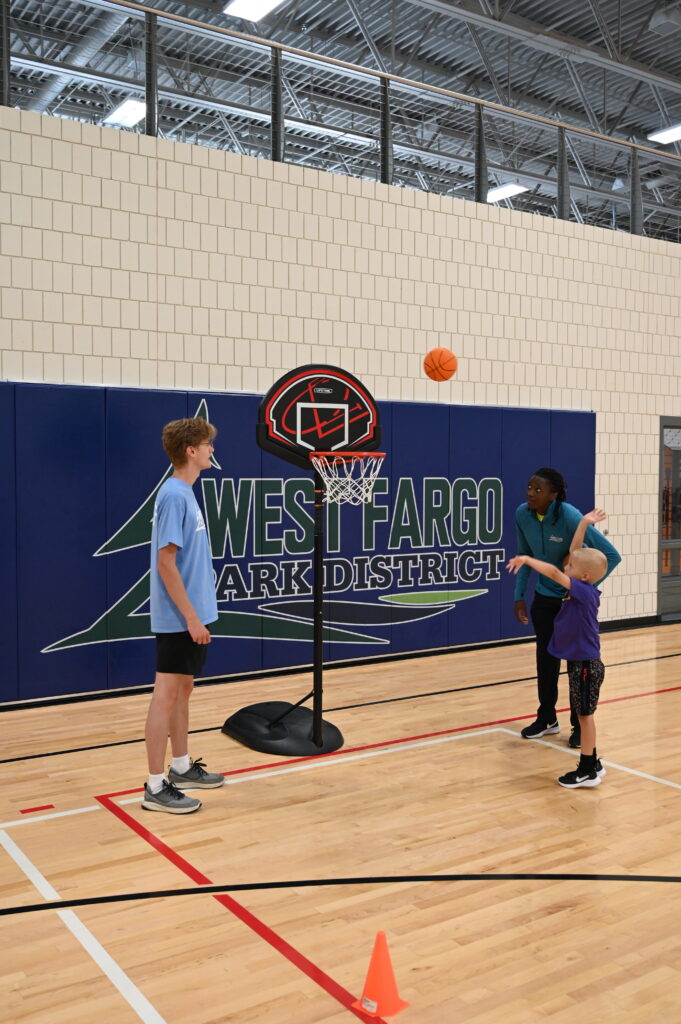
When I got the internship, I was first of all worried about how this would play out. I had no knowledge about parks other than the casual walks or the evening runs I usually took in the parks. Anyway, in such moments I always remind myself that every day is everyone’s birthday, so I have to take each second at a time.
The entire first week, I was seated behind a desk learning how a system works, ACTIVENET, which is used to run the park’s activities. For a minute, I worried that my summer was about to be a stretch of long hours behind the desk, but I was mistaken. By the end of the first week, my boss and supervisors took me alongside my two fellow interns for a ride around the park district. To my amazement, within just our park district, we managed over 20 parks. So I asked my boss, “How did these parks come to be established?”
Initially, I thought that the state government probably purchases land and mandates that it will become a park. My boss replied, “Most parks are donated by the developers within the district.”
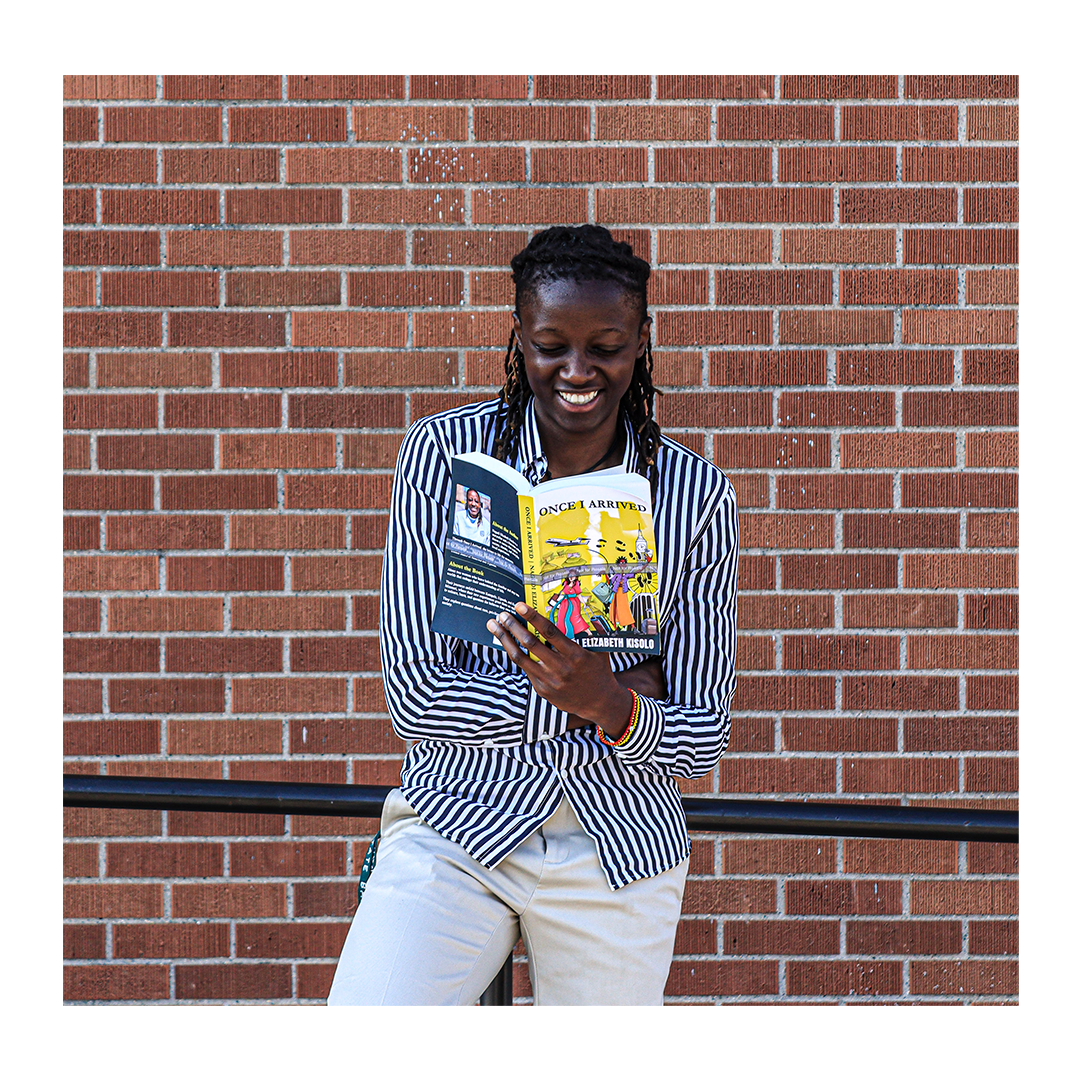
Enjoying the blog? The writer is also an author of Once I Arrived, a work of realistic fictional that explores identity, society, relocation, and lived experiences. You can support the work she does by purchasing a copy now from +(256)759309215

Let me break this down for you.
In recent years, Kampala has become a hub of apartment after apartment, and even the areas beyond the city are slowly turning into housing estates. But do you know what all these areas lack? There are no recreational spaces. By this, I don’t mean bars or clubs or hefty-paying swimming pools. By this, I mean well-maintained public spaces where children can go and play, community events can be held, or where someone can just go and sit in the shade of a tree or read a book out in the open without paying a fee.
And this is not a recent problem; it’s in fact, becoming a norm for former spaces that were partially set up for this purpose to become modern-day estate “developed” places.
Case in point, City Square, which has been one of the spaces that I can nearly equate to these open parks in the so-called developed countries, is currently under scrutiny, with a developer seeking to establish a shopping mall. City Square was originally a free-to-use space, but due to political reasons, it was closed off from the public. However, its presence as a green space in the city can’t be underestimated. In fact, its availability shows that there is hope that one day the freedom to use it freely as the public still lingers.
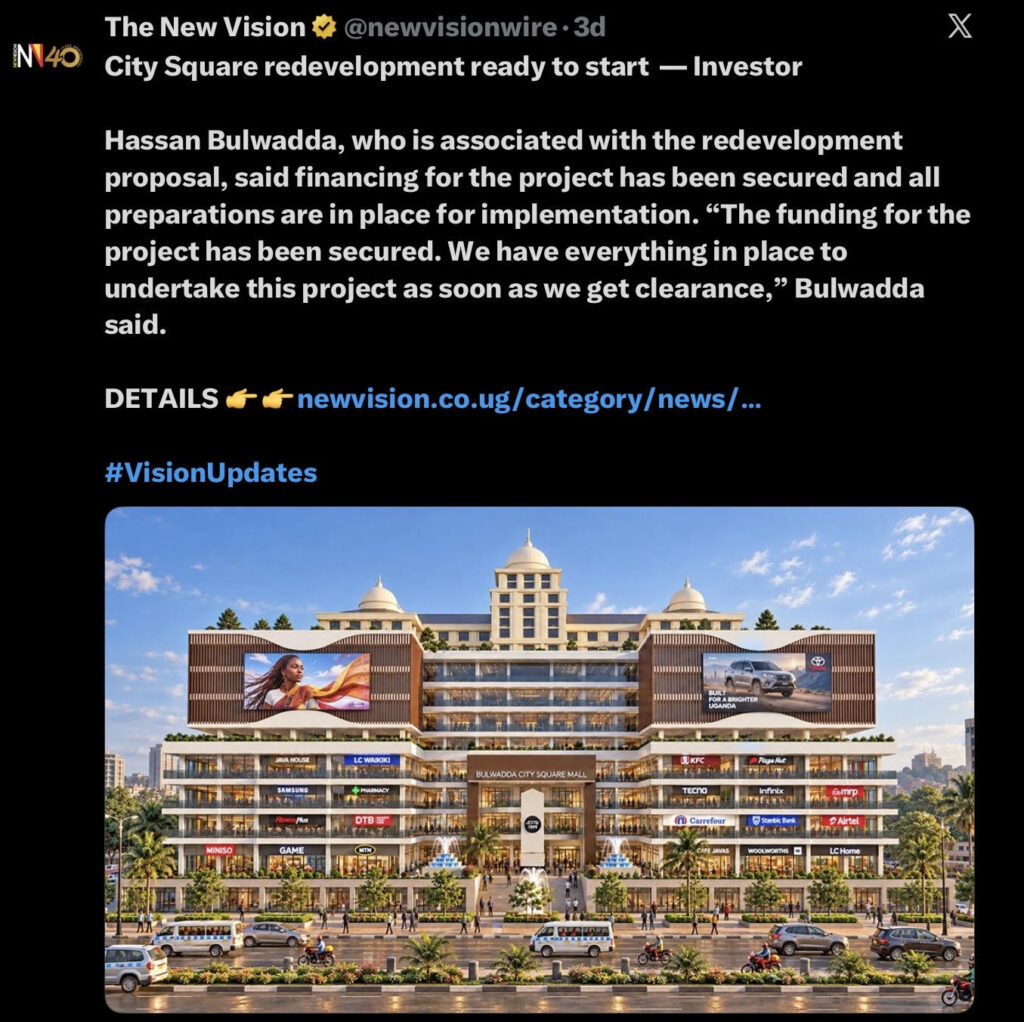
And this also applies to other green spaces, particularly sports areas. It’s been a while since I followed up on the Mulago playground, but once in a while I went there for rugby. One evening I arrived at the place where the whole area was sealed off with iron sheets. Attempts to enter the premises were curtailed, and we were informed the land had also been given to a developer.
Not so far, and something we have moved on from because, just like in Animal Farm, we don’t all have an equal say on things, is the mall that was established on top of Nakivubo Channel. It felt like a case of, “Dad, I have a wound that is rotting with flies all over it,” and Dad responds, “Let’s cover it with a bandage so that we don’t see the nasty wound.” Indeed, such a great solution for a temporary time!
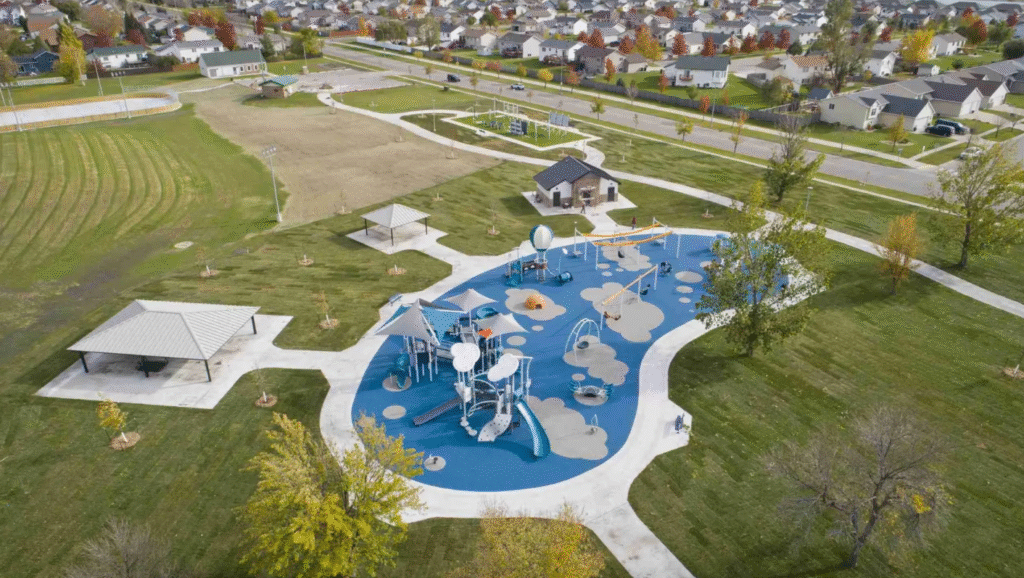
Eh! Sometimes I love following the pages of some of our “leaders” who love posting pictures of themselves when they travel to other countries. I love to look closely at those spaces around them, and trust me, most of the time those areas they are taking selfies in are usually parks or free public spaces. But what baffles me is that these same “leaders” return to Uganda and sign on those documents giving away public land to private investors. Sometimes I wonder, must we always use any small piece of land to build a mall or an apartment in Kampala?
Don’t we have laws protecting these public spaces? Anyway, maybe I am being too hopeful in a space where hope shouldn’t be applied.
If you have been to areas from Ntinda onwards- that’s Kiwatule, Kisaasi, Kyanja, Komambogo, Kira, and so forth- it’s like every time you blink, a new apartment will have been set up. And every square of land by the roadside has become a supermarket. Imagine we had laws mandating that for every developer, a green space must be maintained. That is their goodwill to the community.
I always tell my friends that if I became the president of Uganda, I wouldn’t last a day in office because I would get assassinated as soon as I set foot in the office. In fact, since we don’t assassinate in Uganda, I would be poisoned or bewitched. One of my biggest laws would be to push every private investor out of Kampala. These cities that were named cities (Mbale, Mbarara, Gulu, …) but look like semi-ghost towns from some Hollywood movies will not develop just because they were named cities. Real action needs to be done.
Most of the parks in the US typically have playgrounds for children, indoor sports facilities, like walking tracks, soccer fields, basketball courts, pickleball courts, swimming pools, among other things. Definitely, some of these establishments come about by necessity, in that some places, like my current state has the worst winter in the US, so having indoor walking tracks or football fields makes sense. Uganda is one of the most beautiful countries when it comes to weather, so even if we had just a mass of land maintained by the city council or the government itself, these spaces can be demarcated.
Anyway, enough of the “ranting” – if you want to consider it that way. But let me tell you two last stories. One time I was flying from Uganda to Rwanda, and there was this white guy I ended up having a chit-chat with. The normal flight convos of, “Where to? What are you going to do? How was Uganda? How long will you be wherever you are traveling to?” So, the white guy responds, “I work in Uganda, but every last week of the month I travel to Rwanda to look for some peace. Kampala is so noisy, the air is too polluted, the environment is too congested.” I just laughed at his outcry. At least he had the luxury to know and to travel to a space which would give him some peace of mind. What about the 2 million Ugandans left to the congestion, dust, noise, and all that he was running away from?
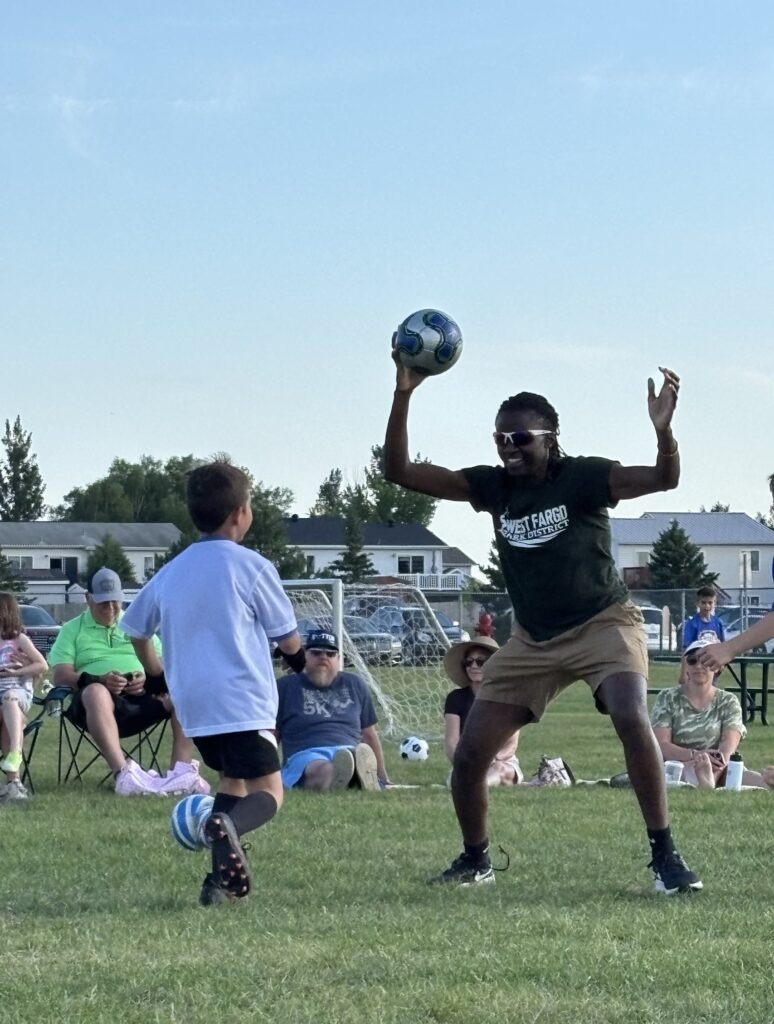
And the last story: during my farewell meeting with my boss, supervisors, and fellow interns, my boss asked, “So now that you understand how parks work, when you go to Uganda, will you introduce this concept in the communities?” I don’t know why I just laughed out loud.
Olaba KCCA, a whole institutionalized body, has for decades tried to bring change in the city, and then me, a nobody, I wake up and come up with this grand scheme to restore green spaces (parks and recreational spaces) in the city. I may as well just resign myself to my home in Sironko and focus on my hens and pigs.
Anyway, it’s a hope that kills, but I hope one day these leaders who get to travel everywhere and have the platform to create fundamental change will wake up one day and implement some of the things they see when they travel or spaces they be taking selfies in when they travel.
Enjoying the blog? The writer is also an author of Once I Arrived, a work of realistic fictional that explores identity, society, relocation, and lived experiences. You can support the work she does by purchasing a copy now from +(256)759309215